
adults received treatment in England for alcohol problems alone.

The UK's guide to alcohol rehab
Find the space
to begin again.
Clear, compassionate guidance on alcohol rehab in the UK—wherever you live, and whatever brought you here.
Support can start wherever you are
UKIndependent
rehab guide
rehab guide
100% confidentialPrivate from your first call
CQC registered careStandards you can check
Here every dayTalk when you feel ready
Alcohol rehab across the UK
Recovery is not
a postcode.
The right alcohol treatment centre might be close to home. It might also be the place that gives you enough distance to breathe.
People travel across the UK for residential alcohol rehab—for privacy, specialist care or a clean break from routines that have become hard to change. What matters most is finding a place where you feel safe enough to be honest and supported enough to begin.
Talk through your options
“Recovery isn't about where you live. It's about taking the first step.”
 Room to reset
Why people choose residential rehab
A pause from the noise. A structure for what comes next.
Residential alcohol rehabilitation offers something everyday life often cannot: protected time. Time away from alcohol, familiar triggers and the exhausting pressure to appear fine.
01Round-the-clock support
Care is close at hand while your body and mind begin to settle.
02Therapeutic depth
Individual and group work help turn insight into lasting change.
03A recovery community
Being understood by others can make a lonely experience feel shared.
A national picture
Asking for help is more common than it can feel.
“Help is available wherever you are in the UK.”
of people starting drug or alcohol treatment self-referred, or were referred by family or friends.
of people leaving drug and alcohol treatment completed successfully, free from dependence.
of adults starting treatment reported a mental health treatment need.
left treatment successfully, free from alcohol or drug dependence
self-referred or were referred by family or friends — no GP required
England, April 2023 to March 2024. Office for Health Improvement & Disparities
The journey through recovery
There is no single leap.
There are a series of steps.
Every person moves differently, but a good treatment journey should make the next step feel possible.
Recognition
Noticing that alcohol is taking more than it gives.
Assessment
A private conversation about your health, history and needs.
Detox
A medically informed plan to manage withdrawal more safely.
Therapy
Time to understand patterns, triggers and what sits beneath them.
Recovery planning
Practical tools for the relationships and routines ahead.
Aftercare
Continued connection when residential treatment ends.
Life beyond rehab
A life built around possibility, not alcohol.
Does location matter?
Close enough to feel connected.
Far enough to feel different.

Stay close
Familiar faces can become part of the plan.
Being near home can make family involvement, visits and the transition into aftercare feel more natural.

Travel for treatment
Distance can offer privacy—and perspective.
A new setting can interrupt old habits, protect confidentiality and create space to focus entirely on recovery.
Featured locations
A guide that travels across the UK.
Your search may begin with “alcohol rehab near me”, but it does not have to end there. Compare the character of a place as well as the care available within it.

01 West Midlands
Birmingham
A well-connected city with treatment options within easy reach of communities across the Midlands.
Explore your options
02 West Midlands
Coventry
Central, accessible and close to a wide network of family and community support.
Explore your options
03 Heart of England
Warwickshire
Rural surroundings can offer quiet, privacy and a meaningful change of pace.
Explore your options
04 North West
Manchester
A major northern hub with strong transport links for people travelling from across the UK.
Explore your options
05 Merseyside
Liverpool
A city known for community, connection and accessible support across the wider region.
Explore your options
06 Yorkshire
Leeds
A useful base for people seeking treatment from Yorkshire and the North East.
Explore your options“Recovery isn't defined by where you live. It's defined by the support you receive.”
Factors to consider
Look beyond the brochure.
The best private alcohol rehab in the UK is not necessarily the grandest. Look for a team that listens carefully, answers plainly and can explain how its care will meet your needs.

Cost
Ask exactly what the fee includes, from assessment and detox to therapy and aftercare.
Length of stay
The right timeframe depends on your health, circumstances and the depth of support you need.
Therapy styles
Look for a thoughtful mix of individual work, group therapy and evidence-informed approaches.
Environment
The surroundings should feel safe, settled and far enough from the pressures that keep you stuck.
Aftercare
Recovery continues at home. Ask how the centre will help you protect the progress you make.
Did you know?
The details around treatment can shape how recovery feels.

A change of scene
Many people choose treatment away from home.
Distance can create privacy and breathing room. For some, leaving familiar routes and routines makes it easier to focus on the work of recovery.

Recovery is shared
Family support can matter long after admission.
Useful involvement is not about watching over someone. It is about learning, listening and rebuilding trust at a pace that feels safe.
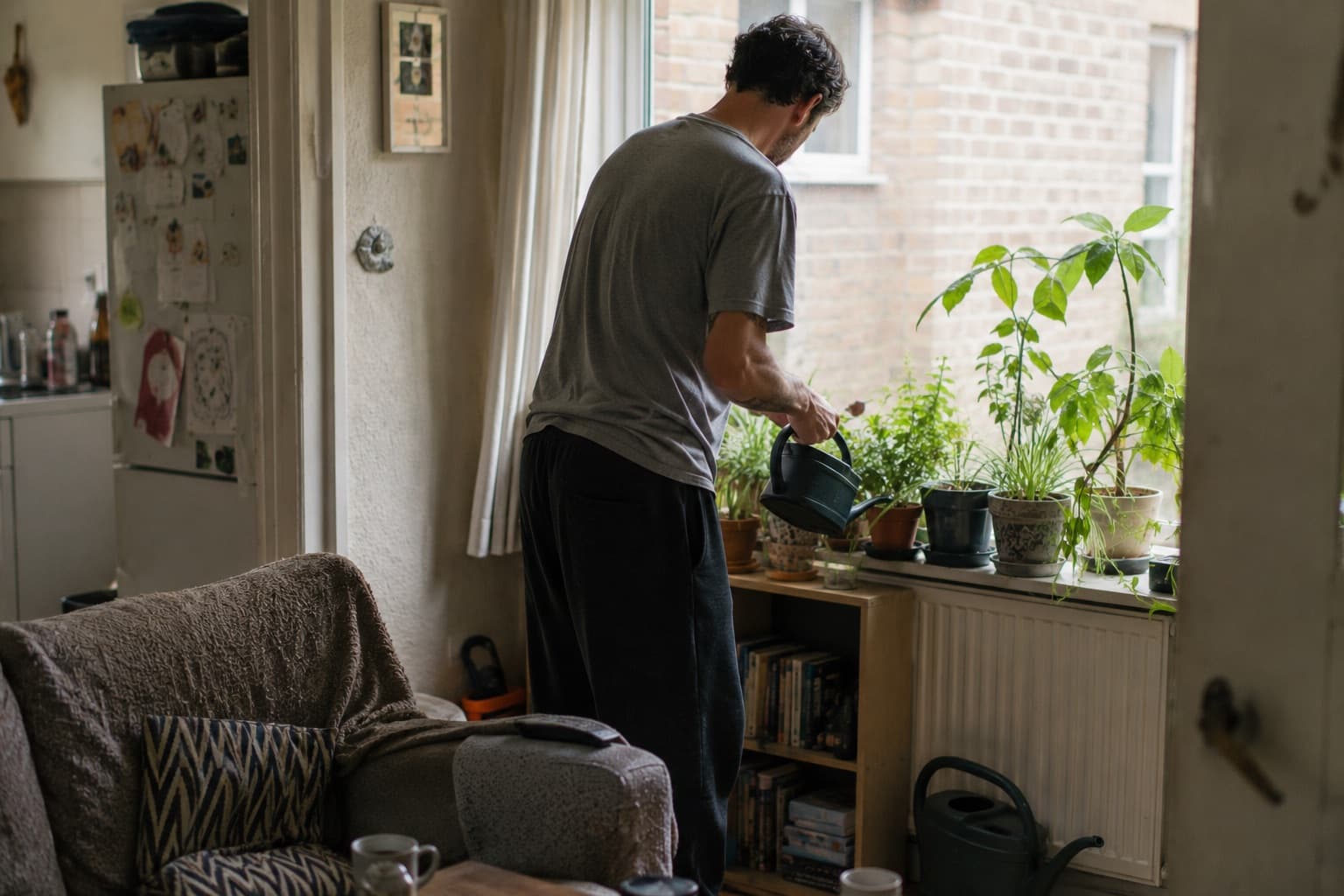
The next chapter
Aftercare begins before residential treatment ends.
A thoughtful plan connects therapy with real life: difficult days, relationships, work, local support and the routines that make recovery sustainable.

“You do not have to see the whole road. You only need enough support for the next step.”
A confidential conversation can be enough for today.
Call 0330 043 1715Common questions
Questions people often carry quietly.
Clear, human answers about alcohol rehab in the UK—without pressure, judgement or jargon.
Explore more recovery guides
Read at your own pace.
Thoughtful reading on treatment, family support, mental health and building a life beyond alcohol.

Individual recovery01
Recovery Should Fit the Person
Why meaningful treatment begins with a person’s history, health, relationships and hopes—not a standard formula.
Read the guide
Recovery approaches02
The 12 Steps, Explained Simply
A clear introduction to the principles behind the 12 Steps, and how they can sit alongside modern therapy.
Read the guide
The next chapter03
Life After Rehab
Returning home can feel hopeful and uncertain at once. Explore routines, support and the realities of early recovery.
Read the guide
Long-term recovery04
Why Aftercare Matters
How continued connection, accountability and practical planning help treatment take root in everyday life.
Read the guide
For families05
Supporting Someone in Recovery
Warm, practical guidance on listening well, setting healthy boundaries and looking after yourself too.
Read the guide
Relationships06
How Families Can Be Involved
A look at visits, family sessions and the careful work of rebuilding trust without losing sight of the individual.
Read the guide
Recognising the signs07
What Functioning Addiction Can Look Like
When work, family life and appearances seem intact, an alcohol problem can remain hidden—even from the person living it.
Read the guide
Understanding recovery08
Why Relapse Happens
Relapse is often a process rather than a single moment. Learn about warning signs, triggers and returning to support.
Read the guide
Recovery community09
The Power of Peer Support
Shared experience can soften isolation, build accountability and remind people that difficult days do pass.
Read the guide
Mental health10
Understanding Dual Diagnosis
Why alcohol use and mental health can become closely connected—and why both deserve thoughtful, joined-up care.
Read the guideWhen you are ready
You do not need to have the words.
Tell us as much or as little as you can. We will listen, explain the options and help you find a sensible next step.
Confidential No obligation Compassionate support